
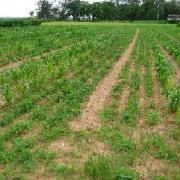
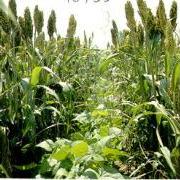
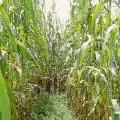
Sorghum-Groundnut Intercropping Sorghum-Cowpea Intercropping
Intercropping refers to growing more than one crop in the same land area in rows of definite proportion and pattern.
An ideal intercropping should aim to:
- Produce higher yields per unit area through better use of natural resources;
- Offer greater stability in production under adverse weather conditions and with disease and insect infestation;
- Meet the domestic needs of the farmer;
- Provide an equitable distribution of farm resources.
The following intercropping practices were found to be remunerative than sole crop of sorghum even under drought or excessive rainfall in AP.
Sorghum + Red gram (pigeonpea) 2:1 ratio
Sorghum + Groundnut 2:4 ratio
Sorghum + Soybean 4:2 ratio
Sorghum + Sunflower 4:2 ratio
(2:1 ratio indicates 2 rows of sorghum and one row of the other crop)
Sorghum+ Groundnut inter cropping system is recommended to farmers to meet the fodder needs of cattle and milch animals.
The most profitable and remunerative system in Tamil Nadu was found to be intercropping sorghum with
cowpea, pigeonpea, field bean (lab-lab bean) and black gram.
In black soil areas adopting paired row planting of sorghum and one row of black gram or cowpea in between paired rows of sorghum will help to have 100% population of sorghum plus 33% population of black gram or cowpea.
While maintaining the yield levels of the sole or unmixed crop of sorghum, additional yields with
the intercropping component have been realized under various systems.
Since a food legume is involved in most of the systems, it will not only enhance the income of the
farmer, but would also provide with the much-needed protein to supplement the predominantly cereal diet of farmers.
- Login to post comments
- 4541 reads