From soil to harvest — everything growers actually need.
Field-tested guides on crops, livestock, soil, irrigation, and machinery. Curated by working agronomists.
Categories
→Field-tested guides on cereals, oilseeds, legumes and vegetables — variety selection, agronomy, and pest control.
Husbandry, nutrition, herd health and welfare for cattle, swine, sheep and poultry.
Soil fertility, structure, cover cropping, rotation strategy and erosion control.
Tractors, implements, precision-ag technology, maintenance and operating economics.
Water budgeting, drip and pivot design, deficit irrigation and scheduling.
Latest news
→Poland Faces Up to 50% Apple Harvest Loss After April Frosts Hit Orchards in Bloom
Cambodia Moves Forward on National Roadmap to Cut Methane Emissions From Rice Farming
Egypt Plans to Build a Regional Grain Hub and Partner With Russia's Commodity Exchange
Global Wheat Prices Fall as US-Iran Ceasefire Talks Reduce Risk Premium
Latest articles

Sunflower Agronomy: Variety Selection, Field Management, and Harvest Timing
Sunflower is one of the most profitable broadacre crops when managed correctly, and one of the most damaging to soil and rotations when managed poorly. The margin between a 3 t/ha crop and a 1.5 t/ha crop on the same field in the same year usually comes down to variety choice, plant population, and timely scouting — not the weather.

Drip Irrigation: How to Design, Run, and Maintain a System That Holds Up
Drip irrigation delivers water directly to the root zone at low pressure, cutting losses from evaporation and runoff. Done right, it reduces water use by 30-50% compared to sprinklers while keeping yields equal or higher. Done wrong, emitters clog and the system wastes more than it saves.

Soil pH: What It Does, How to Test It, and When to Lime
Soil pH is one of the few parameters that affects every nutrient you apply. Get it wrong and fertilizer efficiency drops 30-50%. Here is what pH actually controls, how to read a soil test, and how to make a sound liming decision.

How To Pick The Right Tractor Without Wasting Money
Engine horsepower is the least useful number on a tractor brochure. Here is what actually predicts whether a tractor will pay for itself on a working farm.
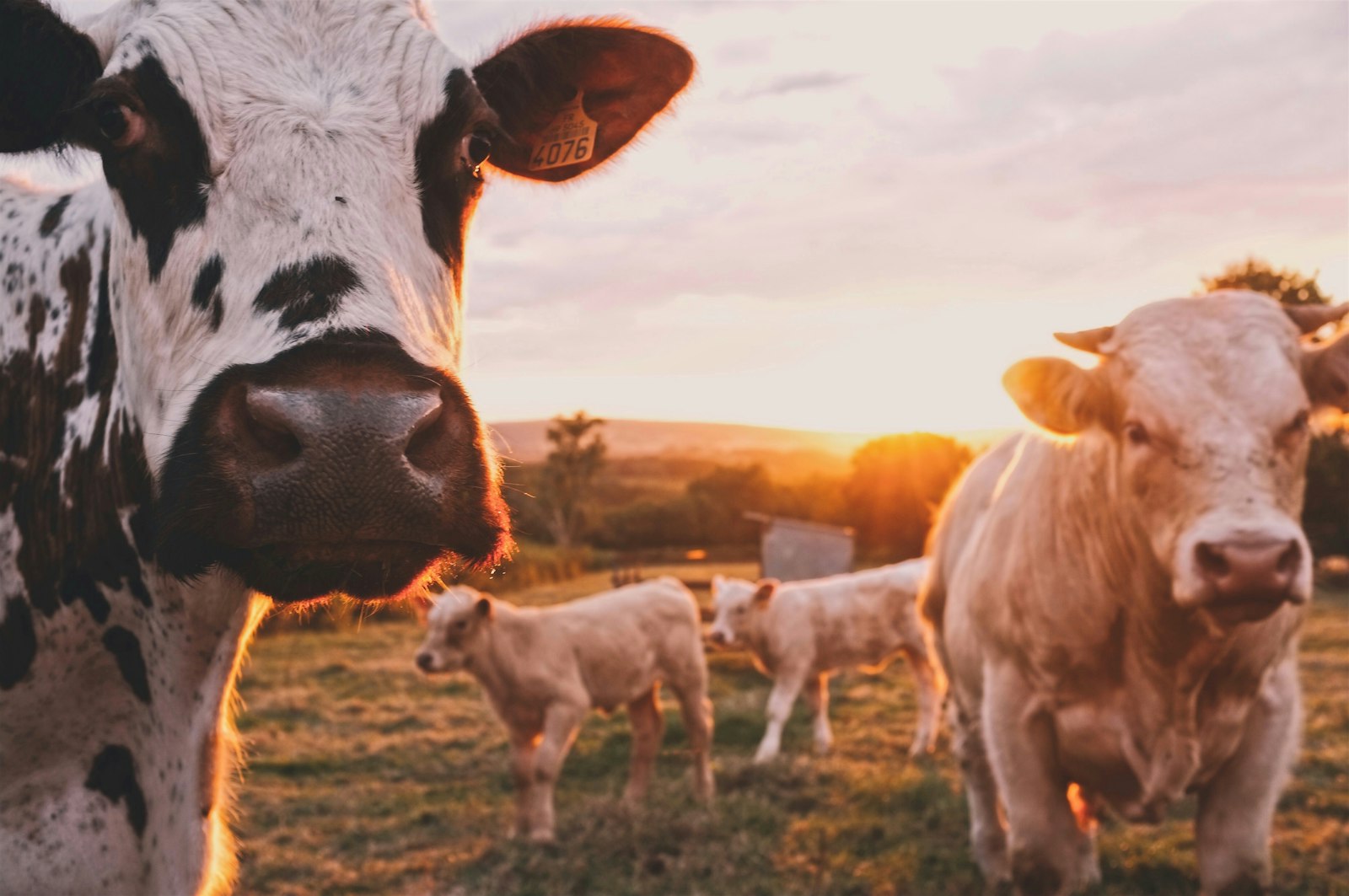
Dairy Cow Feeding Basics That Actually Make Milk
Most "ration problems" are not ration problems at all. They are feeding problems wearing a ration costume. Four numbers run a dairy ration. Get those right and most "metabolic" issues disappear before they start.

A 5-Year Crop Rotation That Actually Builds Soil
Most rotations on paper do not build soil. They just shuffle crops. Here is what a working 5-year rotation looks like and how to design one.